MODELS OF EDUCATION: PLANETARY HEUTAGOGIES IN THE WEST AFRICAN AFROTROPICS
Partners:
Willow Technologies Ltd., Ghana, Hahatay,
Yale Center for Ecosystems in Architecture,
Collège Universitaire d’Architecture de Dakar
Funding: Re:Arc Institute, Edward J. and Dorothy Clarke Kempf Memorial Fund, Yale MacMillan Center
Period: 2026-present
Relative to conventional pedagogies that enforce a primary dependency on domain-expert teaching, a heutagogical approach relies on a braoder framework of knowledge exchange and upskilling between actors from interlinked material value chains. By foregrounding each actor’s leadership in embodied practice --making, building, material experimentation, active dialogue and collective evaluation-- the heutagogical model of education provides a platform for the lateral capacities for exchange across professional, material and cultural boundaries.
Using the West African Afrotropics bioregion as a strategic hotspot for climate change adaptive design and population growth pressures, the pilot Planetary Heutagogy project in Senegal is comprised of four core areas that aim to grow PH networks, cultivate knowledge between existing regional material supply chains, and develop key products to support the uptake of biobased construction and regenerative design practices in prevailing and future housing in the region. This project includes the development of: (i) the PH Network working group (ii) PH Research Fellowship Program, (iii) PH Workshops (iv) PH Media and Policy Products.
Engaging with pluriversal systems of capital across the West African intersectoral economy (cultural, economic, social, natural), the project’s heutagogical approach aims to deveop a model of intersectoral education and exchange in which key actors (informal and formal, professional, entrepreneurial, indigenous, sectoral, disciplinary) who are facing convergent challenges and opportunities can find meaningful mechanisms for knowledge, skill transfer and innovation.

HEALTHY MATERIALS: CIVILSATIONS OF COLOR
Principal Investigators: Mae-ling Lokko, Yale School of Architecture; Amma Asamoah, Tuskegee School of Architecture
Co-Principal Investigators: Sasha Duerr, Tei Carpenter (Princeton School of Architecture); Mark Aronson, Yale Center for British Art; Kwesi Daniels, Tuskegee School of Architecture
Funding: Yale ASCEND Collaboration Grant
Period: 2024-present
Building on legacy research at Tuskegee University stemming from George Carver Washington’s research on plant, forestry by-products and clay paints; and ongoing research at Yale’s Center for Ecosystems in Architecture on regenerative color for biogenic building materials, this proposal brings together convergent research areas to drive innovation in the design, development and evaluation of biogenic coloring practices in the built environment.

POLICY: UNEP Building Materials and Climate
Principal Investigator: Yale Center for Ecosystems in Architecture
Co-Principal Investigators: Willow Technologies Ltd., Ghana, McGill University
Funding: United Nations Environment Program
Period: 2022-2023
Building Materials and Climate: Constructing a New Future Report (Download here)
Specific Contributions:
- Chapter 4: Shift to Biobased Materials (Timber, Bamboo, Biomass)
- Chapter 5: Improve: Masonry and Earth-based Materials
- Case Studies:
+ Taking pressure off West Africa’s tropical forests through the use of non-timber biomass resources
+ Greening the masonry value chain in West Africa
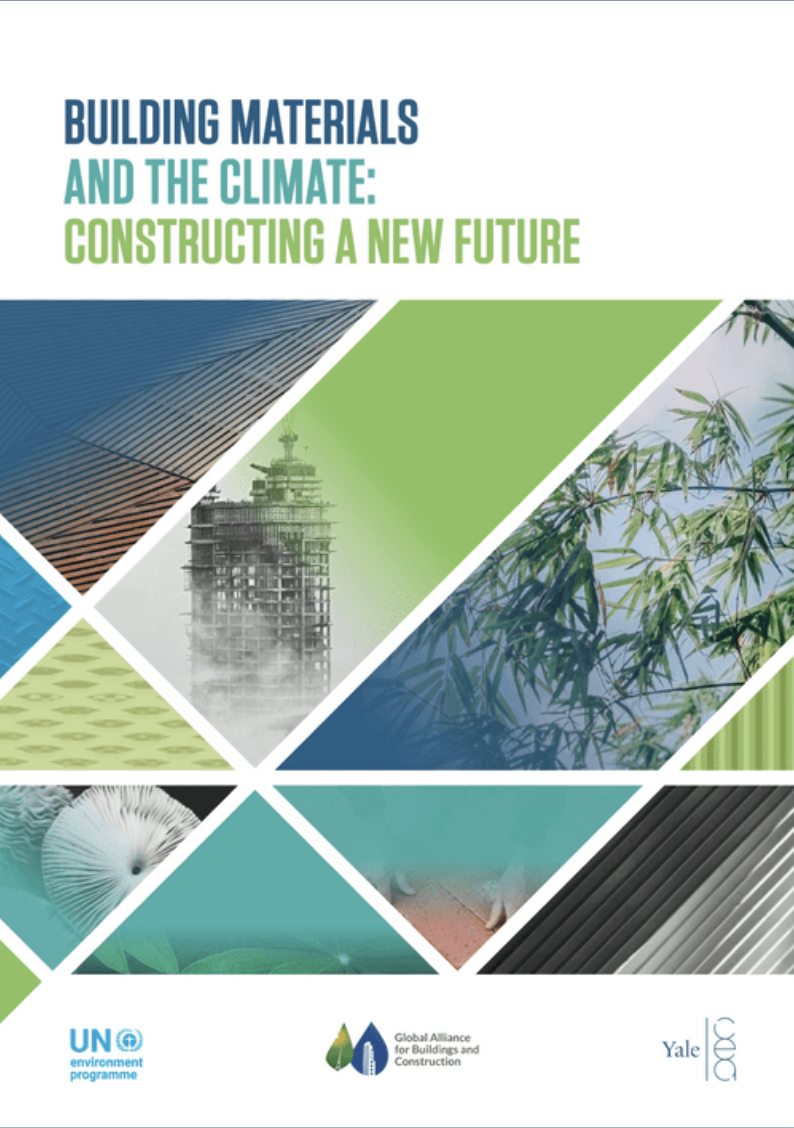
UNEP Global Report
Building Materials and Climate Report (URL)
Yale CEA, Global ABC, UNEP
Lead author: Chapter 4 Shift to Biomaterials
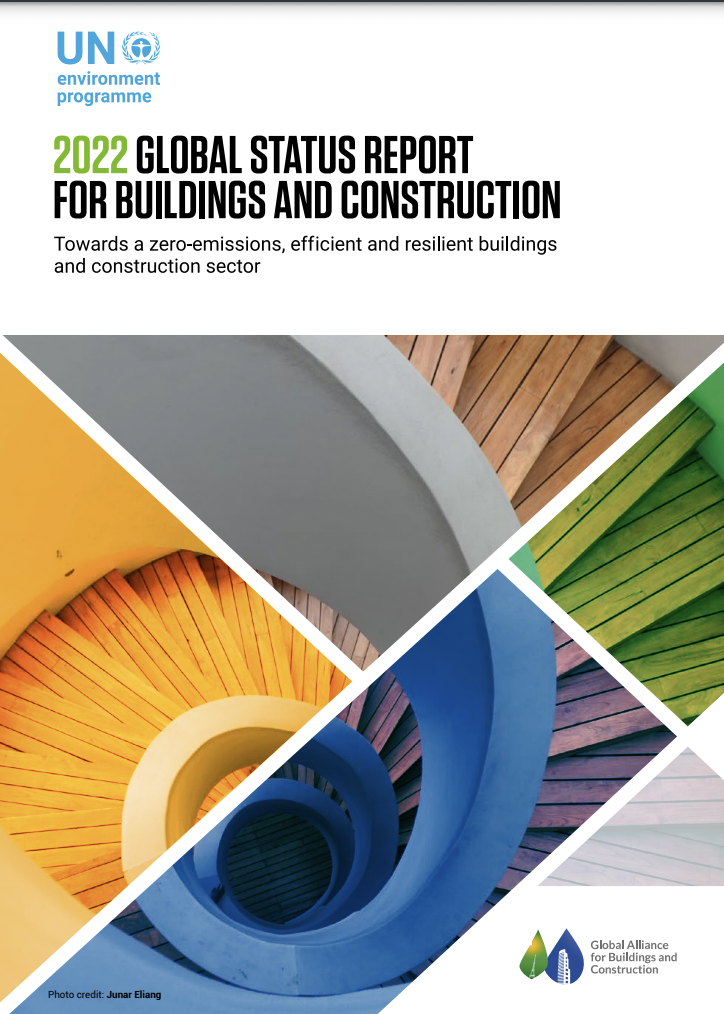
2022 Global Status Report- Buildings and
Constructions (URL)
Global ABC
contributing author, Materials Chapter
MATERIALS: INTEGRATED MATERIAL LIFE CYCLE DESIGN
Soil SistersProject Website: www.yalesoilsisters.com/
Period: 2021 to present
Funding: SOM Foundation, Yale Center for Ecosystems in Architecture, Yale School of Architecture
Soil Sisters” aims to investigate a new paradigm for connecting agricultural waste to large-scale regional material supply chains, in which improving soil nutrition and soil resiliency underpins the design goal of providing cross-sectoral environmental performance through the provision of new biomaterial systems.

EDUCATION AND MUSEUM ARCHIVES: GLOBAL ARCHITECTURAL EDUCATION
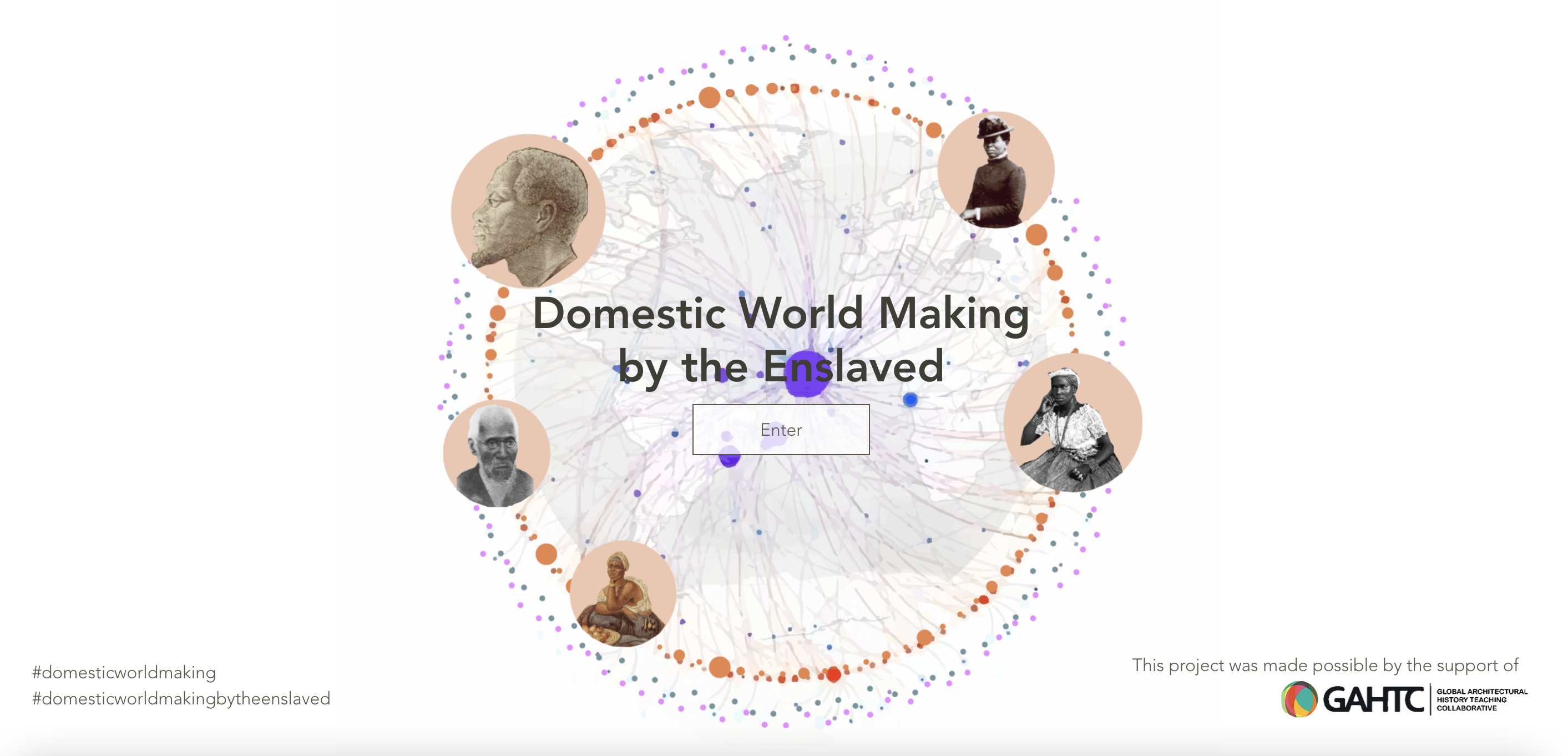
Domestic Worldmaking by the Enslaved
Collabortors: Mae-ling Lokko, Geri Augusto, Simon Benjamin, Marie-Louise Richards, Mohamed Aly Etman
Project Website: https://domesticworldmaking.com/
Funding: Global Architectural History and Teaching Collaborative
Period: 2020-ongoing
The architectural legacy of the Transatlantic Slave Trade has primarily focused on the large-scale, formal infrastructures and landscapes of power including slave forts, trading harbors, agricultural infrastructure buildings and of course the plantation itself. Within these frameworks, much less attention has been paid to the relationship between the domestic architectures of the enslaved and formerly enslaved, that were deeply nested within a broad set of persistent worldmaking and resistance practices including the agricultural, architectural, botanical, textile, fashion, art, music, oral traditions and a broad material ecology. The strategic use of Goodman’s term “worldmaking” aims to advance our understanding of the agency, resistance and innovation by the enslaved across cultural, climatic and economic contexts. Bringing together a diverse range of academics, researchers, and activists from around the world, the project aims to develop a range of engagement platforms and outputs- an open-source interactive virtual website, traveling exhibition, publications and teaching materials. In doing so, we want to create different histories and narratives for the study and practice of architecture.